
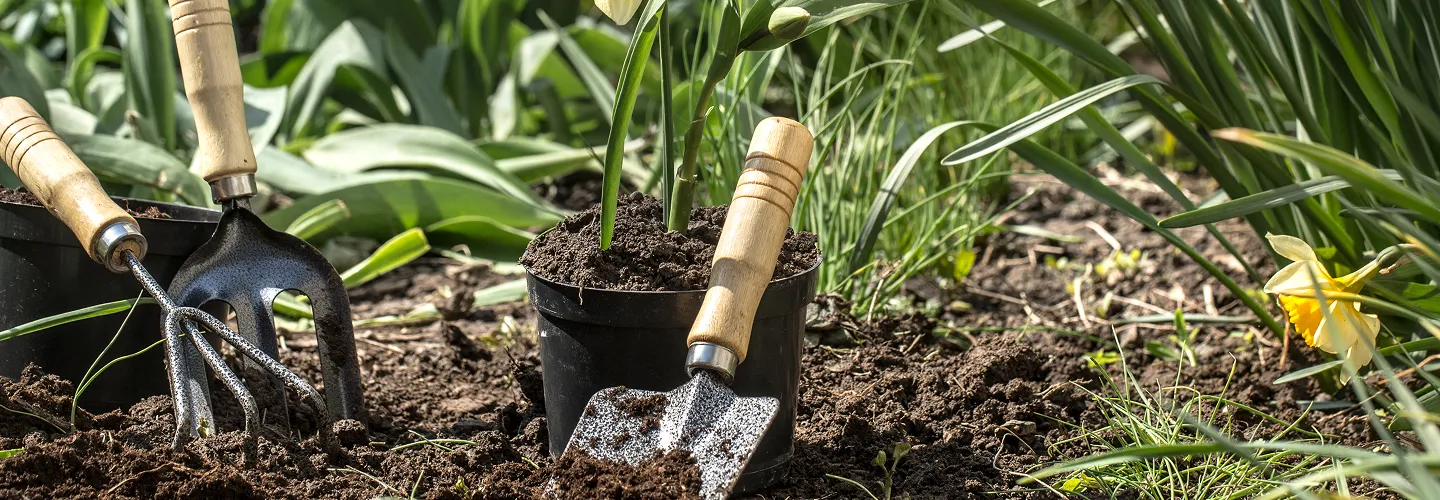
Wrentham Flower Bed Maintenance Services
Choose our Flower Bed Maintenance for expert care, healthy blooms, and a beautiful landscape that enhances your home's curb appeal year-round.
Get a Free QuoteOur Wrentham Landscaping & Yard Care Services
When to Schedule Flower Bed Maintenance in Wrentham, Massachusetts – Seasonal Guide
In Wrentham, Massachusetts, the best times for flower bed maintenance are closely tied to our unique New England climate and the specific needs of local landscapes. Early spring, just after the last frost date, is ideal for cleaning up beds, refreshing mulch, and preparing soil for new plantings. Fall is another key window, especially for cutting back perennials and protecting beds before winter sets in. The timing can vary depending on your neighborhood—areas near Lake Pearl or the shaded lots around Sheldonville may experience later frosts or higher humidity, which can affect when you should start or finish maintenance tasks.
Local factors such as soil type, tree canopy density, and even municipal watering restrictions play a significant role in determining the optimal schedule for flower bed care. For example, properties near the Wrentham State Forest often have sandy soils that drain quickly, requiring more frequent mulching and watering during dry spells. Staying informed about local guidelines and resources, such as those provided by the Town of Sudbury, can help you plan maintenance that keeps your beds healthy and vibrant throughout the year.
Local Factors to Consider for Flower Bed Maintenance in Wrentham
- Proximity to wooded areas or dense tree coverage (e.g., near Wampum Corner)
- Soil composition (sandy, loamy, or clay-heavy soils)
- Average precipitation and risk of summer drought
- Frost dates and microclimates (especially in low-lying or shaded neighborhoods)
- Municipal watering restrictions or guidelines
- Terrain slope and drainage patterns
- Shade coverage from mature trees or nearby structures
Benefits of Flower Bed Maintenance in Wrentham
Enhanced Curb Appeal
Weed and Pest Control
Healthier Plant Growth
Seasonal Color Management
Professional Expertise
Time and Effort Savings

Wrentham Flower Bed Maintenance Types

Seasonal Mulching
-
Weed Control Services
-
Soil Amendment
-
Perennial Care
-
Annual Flower Planting
-
Edging and Trimming
-
Deadheading and Pruning
Our Flower Bed Maintenance Process
Site Evaluation
Weed Removal
Soil Preparation
Plant Care
Mulching
Why Choose Wrentham Landscape Services
-
Wrentham Homeowners Trust Us
-
Expert Lawn Maintenance
-
Reliable Seasonal Cleanups
-
Competitive Pricing
-
Professional Team
-
Satisfaction Guarantee
-
Personalized Service
Wrentham’s Glacial Till Soils: Implications for Flower Bed Maintenance
Wrentham’s landscape is dominated by glacial till soils, as identified by the USDA Web Soil Survey, which are typically rocky, moderately acidic (pH 5.5-6.5), and often poorly drained. These conditions require specific soil preparation for flower beds, including the removal of stones larger than 2 inches, incorporation of 2-3 inches of compost tilled to a 6-inch depth, and periodic lime application if pH falls below 6.0. Soil testing is recommended every 2-3 years, with services available through UMass Extension (typical cost: $15-25 per sample). Proper drainage is essential to prevent root rot, especially in low-lying areas. For site-specific guidance, property owners may consult the Conservation Commission.
Wrentham Conservation Commission
79 South Street, Wrentham, MA 02093
Phone: (508) 384-5413
Official Website: Wrentham Conservation Commission
Seasonal Timing and Climate Considerations for Flower Beds in Wrentham
Wrentham is located in USDA Hardiness Zone 6a, with average annual minimum temperatures of -10°F to -5°F. The optimal window for planting perennial flower beds is April 20 to May 30, when soil temperatures reach 50-60°F. Fall maintenance, including mulching and perennial cutback, should be completed by October 31, before the first hard frost. The National Weather Service Boston/Norton Office provides up-to-date frost advisories and precipitation forecasts, which are critical for scheduling maintenance. Key timing guidelines include:
- Spring planting: April 20 – May 30 (soil temp 50-60°F)
- Fall cutback/mulch: September 15 – October 31
- Avoid heavy soil work during March/early April (soil compaction risk)
- Monitor NWS frost alerts for late spring/early fall events
Municipal Coordination: Yard Waste Disposal and Permit Requirements in Wrentham
Proper disposal of flower bed debris in Wrentham is regulated by the Department of Public Works. Yard waste collection occurs every Thursday from April through November. Residents must use biodegradable paper bags or 32-gallon reusable containers; plastic bags and branches over 4 inches in diameter are prohibited. For projects involving soil disturbance within 100 feet of wetlands, a permit is required, with a standard 25-foot no-disturbance buffer enforced. Permit applications are reviewed within 10 business days, and the fee is typically $50. For up-to-date collection schedules and permit forms, contact:
Wrentham Department of Public Works
360 Taunton Street, Wrentham, MA 02093
Phone: (508) 384-5477
Official Website: Wrentham Department of Public Works
Environmental Compliance: Wetland Buffers and Stormwater Management in Wrentham
Flower bed maintenance near Wrentham’s wetlands, such as those adjacent to Lake Archer and Mirror Lake, must comply with both local and state environmental regulations. The Massachusetts Environmental Policy Act (MEPA) and the Clean Water Act require a minimum 25-foot no-disturbance buffer from all jurisdictional wetlands. The town’s MS4 permit, administered by the Massachusetts Department of Environmental Protection, prohibits the disposal of yard waste or soil in storm drains. Best practices include:
- Maintain 25-foot buffer from wetlands
- No fertilizer or pesticide application within 50 feet of water bodies
- Prevent mulch, clippings, or soil from entering storm drains
- Use only approved organic amendments in buffer zones
For technical assistance, contact:
Massachusetts Department of Environmental Protection
One Winter Street, Boston, MA 02108
Phone: (617) 292-5500
Official Website: Massachusetts Department of Environmental Protection
Plant Selection and Professional Standards for Wrentham Flower Beds
Selecting appropriate plant species for Wrentham’s climate and soils is essential for sustainable flower bed maintenance. Recommended species for full sun include black-eyed Susan (Rudbeckia hirta), purple coneflower (Echinacea purpurea), and daylily (Hemerocallis spp.). For partial shade, consider hosta (Hosta spp.), astilbe (Astilbe spp.), and coral bells (Heuchera spp.). Deer-resistant options include lavender (Lavandula angustifolia) and Russian sage (Perovskia atriplicifolia). All plantings should be spaced 12-18 inches apart for optimal growth. Professional standards require:
- Use of ANSI Z87.1 safety glasses and cut-resistant gloves during installation
- Mulch application: 2-3 inches, keeping 2 inches clear of stems
- Irrigation audits to prevent runoff
- Soil testing prior to major plantings
For plant selection and diagnostic support, consult:
UMass Extension
UMass Amherst, Amherst, MA 01003
Phone: (413) 545-4800
Official Website: UMass Extension
What Neighborhoods Do We Serve Throughout Wrentham, MA?
- Sheldonville: Characterized by mature woodlands and rocky soils, requiring extra soil amendment and deer-resistant plantings due to high wildlife activity.
- Wrentham Center: Features historic homes with compacted urban soils and smaller lots, necessitating careful drainage management and compliance with local setback ordinances.
- Lake Archer Area: Proximity to water bodies enforces strict wetland buffer regulations and limits on fertilizer use to protect water quality.
- Mirror Lake District: Includes sloped lots and variable drainage, making erosion control and mulching critical for flower bed stability.
- Cumberland Road Corridor: Newer developments with loamy soils and larger lots, offering flexibility in plant selection but requiring regular soil testing for pH adjustment.
- Eagle Brook Village: Planned community with HOA landscaping guidelines, emphasizing uniformity in plant selection and mulch color, and requiring pre-approval for major changes.
- South Street Area: Mix of older and newer homes, with frequent tree cover and shade, making shade-tolerant species and leaf debris management essential.